

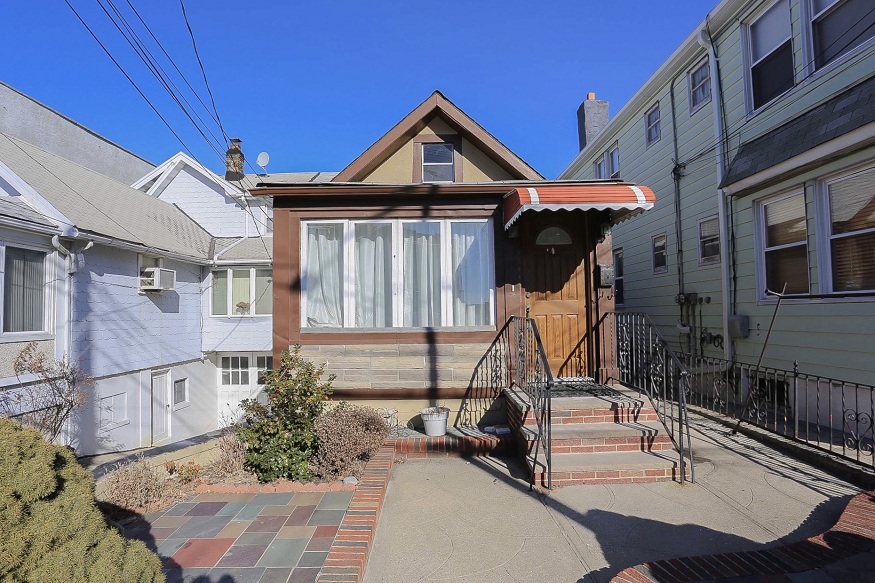
Astoria, often called “Almost Manhattan,” sits in Queens right across the East River. You can reach Midtown in a few minutes by subway, which makes daily life easier. This location makes it one of the most practical places to live in New York City. You can experience Manhattan life without paying over $1M for a home.
In this guide, you will see how Astoria performs in housing, property types, lifestyle, and investment value. Each section helps you understand what to expect and decide if it is the right fit for you.
Housing Market Overview in Astoria
Astoria has a tight housing market, so there are fewer homes to choose from. Homes here are sold quickly after they are listed. Buyers often compete for the same properties. This creates a seller’s market where demand is higher than supply.
Current Housing Snapshot
- Homes for Sale: 181
- Average Rental Prices: $2,285/month
- Median Home Price: $845K
This price range puts Astoria in the mid to higher range of the NYC market, which is still cheaper than Manhattan. At the same time, homes are not that cheap, so you need a strong budget. This area suits buyers who are ready to make a serious purchase. Homes in Astoria usually have about 2–4 months of supply, which again shows a strong seller’s market, as a balanced market is typically defined by a 5 to 6 month supply.
Read More: All About Colorado Real Estate Exam
Homes sell quickly in Astoria. Explore homes for sale in Astoria NY, on Houzeo to compare listings, save favorites, and submit offers before the best options are gone.
Housing Characteristics in Astoria
Astoria is mostly a rental area, with only about 16% of people owning homes. Many people rent first and buy later after they have stable jobs. The housing mainly includes older buildings from the 60s, which are suitable for smaller households.
This structure supports steady demand for rentals and smaller homes. It also explains why condos and apartments dominate the market
A look at the housing statistics:
- Median Homeowner Costs: $3,536/month
- Homeowner Vacancy Rate: 22.0%
- Home Ownership Rate: 16.0%
- Rental Vacancy Rate: 83.9%
- Family Households: 44.6%
- Median Year Built: 1962.75
Who Lives in Astoria?
Astoria has a mix of residents that directly shapes housing demand. You will find young professionals, creatives, and remote workers living in the same area. Buyers who get priced out of Manhattan also move here.
The neighborhood has strong immigrant roots. German industrial families, Greek communities, Italian residents, and more recent Middle Eastern and South Asian groups have all shaped the area. Today, Astoria remains one of the most diverse neighborhoods in New York City.
Demographic snapshot:
- Population: 35,842
- Median Age: 35.7 years
- Average Household Size: 2.1 people
- Post-Graduate Rate (25+): 57.0%
- Male to Female Ratio: 49.9% Male / 50.0% Female
Types of Homes Available in Astoria
Astoria’s residents are mostly professionals. This is why they prioritize convenience and low maintenance. Hence, condos dominate the housing market at 75.31% of all listings. These homes fit the needs of most buyers here.
A look at the data:
- Condo – 75.31%
- Multi-Family – 13.58%
- Single Family Home – 8.02%
- Land/Lot – 1.23%
- Town House – 1.23%
- Manufactured – 0.62%
Since condos are the most common and accessible homes in Astoria, explore condos for sale in Astoria, New York on the Houzeo app, compare pricing and amenities, and submit offers directly from your phone, free on the Apple App Store and Google Play Store
Other home styles exist but are limited in number. Common home styles include:
- Condos
- Historic Homes
- Duplex Homes
- Homes with Garage
- Houses with Backyard
- Patio Homes
- Townhomes
Some buyers look for extra features like outdoor space or parking. Others choose duplex homes to earn rental income. This variety supports both first-time buyers and long-term investors.
Economic Strength and Local Employment
Economic Indicators:
- Median Household Income: $99,540
- Per Capita Income: $63,448
- Poverty Rate: 12.6%
- Unemployment Rate: 5.2%
- Labor Participation Rate: 73.7%
- SNAP Participation Rate: 11.4%
Many residents work in Manhattan in industries like finance, media, and technology, which shows that most residents are actively employed. The same could also be seen through the low unemployment rate. This supports steady income and consistent housing demand. At the same time, different income levels create a mixed and balanced community.
Read More: Why Flats in Andheri West Remain a Popular Choice
What is Unique in Astoria?
Astoria stands out because it offers culture, open space, and easy city access in one place. Mentioned below are the features that make Astoria unique:
Major Waterfront Recreation Space
Residents have access to Astoria Park, one of the largest parks in Queens. It features walking paths and sports areas, and Astoria has a walk score of 98, making it a walker’s paradise. This kind of open space is rare to find in cities like New York. Easy access to large parks often improves daily quality of life and makes nearby homes more attractive to buyers who value outdoor space.
International Food and Restaurant Culture
Astoria is known for its food, especially Greek and Mediterranean cuisine. Restaurants like Taverna Kyclades attract people from across the city. This adds convenience for residents who want good dining options nearby.
Major Film and Media History
The area is home to Kaufman Astoria Studios, one of the most historic film production centers in the United States. The nearby Museum of the Moving Image also celebrates television, film, and digital media history. These places add cultural value and bring visitors to the neighborhood.
Strong transit connections to Manhattan
The New York City Subway connects Astoria to multiple stations along the N and W lines. Residents can reach Midtown Manhattan in a short amount of time, which supports strong housing demand among professionals. It directly affects the property demand as residents prioritize convenience and ease.
Iconic Bridge and Skyline Views
Residents enjoy views of the East River and the historic Robert F. Kennedy Bridge. These views, along with walking paths, make the area more appealing to buyers.
These features make Astoria a well-rounded neighborhood with strong lifestyle value and steady housing demand.
Want to learn more about the area? Explore this detailed guide on Astoria New York to discover local housing trends, neighborhood features, and safety statistics.
Crime Overview in Astoria
Safety is an important factor when choosing a neighborhood. Astoria is generally considered a safe place to live, though some property crimes can happen where the population is high. Theft can increase in such high-traffic areas.
For example, shopping streets and transit areas may see more theft because many people pass through daily. However, most residential areas in Astoria report lower levels of violent crime.
Violent Crimes
- Homicide: 1
- Rape: 6
- Robbery: 15
- Aggravated Assault: 47
- Kidnapping/Abduction: 9
Property Crimes
- Burglary: 81
- Larceny-Theft: 698
- Motor Vehicle Theft: 159
- Arson: 0
- Theft From Building: 80
The relatively low level of serious violent crime indicates Astoria remains a generally safe place for everyday living. Overall, the neighborhood offers a stable environment, and safety remains a manageable concern for residents.
Long-Term Property Value
Astoria’s property value stays strong because there are fewer homes available while prices keep rising. Listings have dropped, and home values are still growing by around 3–4% each year, showing steady demand with limited supply.
At the same time, prices per square foot are at record highs, and homes continue to sell, which shows buyers are still active. This mix of low supply and steady demand helps property values grow over the long term.
Key Takeaway
You can find a strong mix of lifestyle, location, and long-term value in Astoria, New York. The neighborhood has a stable population, steady employment, and different types of homes. These factors help keep demand strong and support long-term value.
You should review your budget and housing needs before buying a home. If you want a well-connected area with steady demand, Astoria can be a good option. Understanding the housing market and the community will help you decide if it is the right fit for you.